



 By
By - Integration of distributed renewable energy resources such as solar panels and electric vehicles into low-voltage distribution grids reduces emissions and costs but introduces voltage regulation issues, including daytime overvoltage and nighttime undervoltage.
- Community-scale battery energy storage systems effectively mitigate these challenges and are about 52% more cost-effective than individual household batteries.
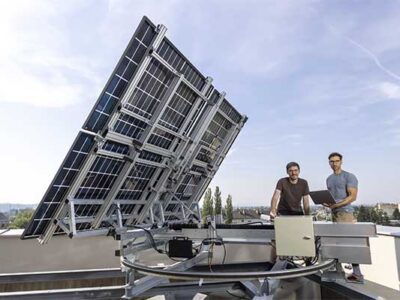
Renewable energy-based distributed energy resources (DERs) such as solar panels and electric vehicles can help reduce greenhouse gas emissions, but their integration in distribution grids introduces challenges due to the variable output of renewables and insufficient energy storage capacity.
A study in IET Renewable Power Generation has assessed DERs’ effects on the vulnerability of low-voltage distribution systems (the final stage of the electric grid that delivers power from distribution transformers to homes and other buildings).
Results indicated that although the use of solar panels and electric vehicles lowers emissions and costs, it causes voltage regulation challenges.
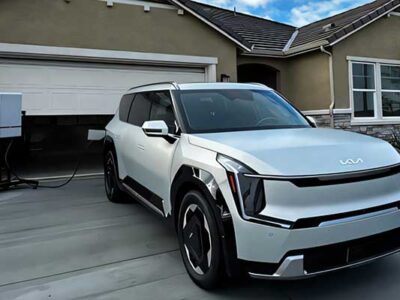
Overvoltage happens during the day with the increased solar energy generation, but undervoltage occurs at night due to vehicle charging demand and no solar energy generation.
Use of community-scale battery energy storage systems was the most viable solution for mitigating the technical vulnerabilities imposed on distribution networks by DERs. Moreover, they were approximately 52% more cost-effective than individual household battery installations.
“Cleaner energy brings new grid challenges, making coordinated storage essential for voltage stability,” said corresponding author Khalil Gholami, Ph.D., of Deakin University in Australia.
Publication Referenced in the Article:
Assessing Vulnerability and Mitigating Risks in Distribution Networks with High Penetration of Renewable Energy, IET Renewable Power Generation (2026). DOI: 10.1049/rpg2.70244
This article has been adapted from source material published by Wiley.







Comments