



 By
By 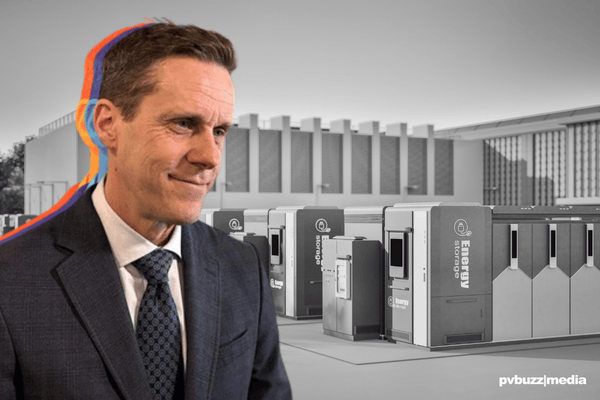
- P.E.I. issued an expression of interest for 10–50 MW of battery storage with up to eight hours of backup capacity.
- The move aims to address a growing electricity shortfall while reducing reliance on aging infrastructure and imports.
- The initiative runs alongside debates over diesel generation, renewables, and broader grid reform.
Prince Edward Island is moving to stabilize its electricity system as rising demand and aging infrastructure expose growing vulnerabilities.
This week, the provincial government issued a request for expressions of interest (REOI) to develop a battery energy storage system, signaling a shift toward faster, more flexible solutions.
Short-Term Fix
Premier Rob Lantz said the province is seeking between 10 and 50 megawatts of storage capacity, with systems capable of delivering four to eight hours of backup power. Projects could be distributed across multiple sites and operated by a private partner. Submissions are due April 23.
The move comes as Maritime Electric, the province’s main utility, identifies a capacity shortfall exceeding 100 megawatts. The utility has proposed two diesel-powered turbines to meet demand, but the government’s storage initiative suggests a parallel path.
Why It Matters

Prince Edward Island is one of eastern Canada’s maritime provinces, off New Brunswick and Nova Scotia in the Gulf of St. Lawrence.
P.E.I.’s grid is heavily dependent on undersea cables linking it to New Brunswick, two of which are nearing the end of their lifespan. At the same time, electrification is pushing demand higher.
Battery storage offers a way to manage peak demand without building new generation. It stores excess electricity and releases it when needed, helping stabilize the grid and reduce strain.
Industry groups say the move aligns with broader trends. The Canadian Renewable Energy Association called the REOI a signal that storage is becoming essential infrastructure, particularly as provinces integrate more renewable energy.
Competing Approaches
The province now faces a choice. Maritime Electric’s $334 million diesel proposal, backed in earlier policy, would provide firm capacity but raise emissions and likely increase costs for ratepayers. Critics argue that combining renewables with storage could meet demand more sustainably.
Lantz has avoided endorsing either path outright, instead pointing to the need for better planning and oversight. He has also raised the possibility of a regional system operator, similar to models in New England, to improve coordination across Atlantic Canada.
What Comes Next
The REOI is an early step, intended to gauge market interest and identify viable solutions before a formal procurement. At the same time, the province is pursuing federal support to replace its aging transmission cables. The strategy reflects a balancing act: immediate stabilization through storage, while longer-term infrastructure decisions take shape.
For P.E.I., the question is no longer whether to act, but how quickly it can secure reliable power in a system under increasing strain.






Comments