



 By
By 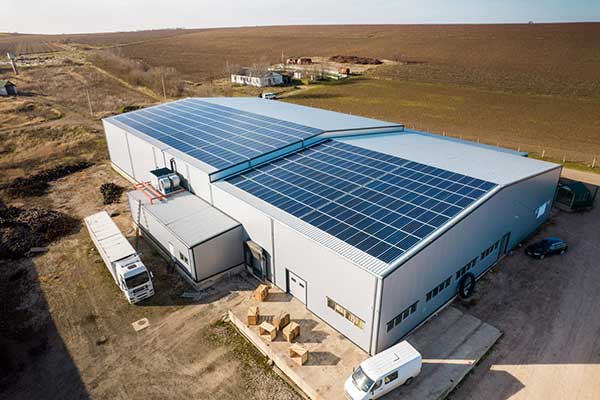
- Commercial property owners in Calgary can now access up to $1 million in low-interest financing for solar and energy upgrades.
- Loans are repaid through property taxes over as long as 25 years and are tied to the property, not the owner.
- The program has already driven strong residential solar uptake and expanded the local contractor market significantly.
Canadian cities are under mounting pressure to cut building emissions, which account for nearly 18 per cent of the country’s total greenhouse gas output, according to federal data.
In urban centres such as Calgary, commercial and institutional buildings represent a significant share of local energy use, driven by heating demands in one of the country’s coldest major climates.
Against that backdrop, Calgary is widening access to a financing tool designed to remove one of the largest barriers to energy retrofits: upfront capital costs.
What’s Happening
The city’s Clean Energy Improvement Program, launched in 2023 for homeowners, is being extended to non-residential property owners. The program offers low-interest loans tied to a property’s tax bill, allowing repayment over long terms rather than through traditional bank financing.
To date, roughly 500 homeowners have used the program, completing about 1,000 upgrades, including rooftop solar installations, heat pump conversions and insulation improvements. Residential participants can borrow up to $50,000 and repay the amount over 20 years, with an average loan of about $27,000.
Commercial property owners will now be eligible for loans of up to $1 million per project, with repayment terms extending up to 25 years. The financing is attached to the property rather than the owner, meaning any remaining balance can transfer to a new owner upon sale.
Applications for commercial properties open March 24, followed by residential applications on March 31. The initial $15 million program was backed by the Federation of Canadian Municipalities and city reserves. Calgary has since secured $20 million from external lenders to continue financing, with borrowing costs covered by participants.
The program is administered by Alberta Municipalities, which has rolled out similar initiatives in Edmonton, Canmore and Lethbridge.
Why It Matters
Commercial retrofits often stall because of high upfront costs and long payback periods. By spreading repayment across decades and tying it to property taxes, municipalities effectively reduce risk for building owners and lenders alike.
Industry groups say the move could unlock capital-intensive projects that smaller businesses and non-profits would otherwise defer. The program has also stimulated the local contractor market: registered contractors have grown from about 30 at launch to nearly 300 today.
For a province navigating the energy transition while balancing economic concerns, the model offers a pragmatic, market-based approach. It does not rely on grants, and the city says it operates at net-zero cost to municipal taxpayers.
What Comes Next
Demand has been brisk, with past application windows filling quickly. If uptake in the commercial sector mirrors residential interest, Calgary may need to expand funding further.
More broadly, property-assessed clean energy financing, often called PACE, is gaining traction across Canada. As federal and provincial climate targets tighten, cities may increasingly rely on such mechanisms to drive building-sector decarbonization.
The test now will be scale. If commercial uptake proves strong, Calgary’s model could become a template for municipalities seeking to cut emissions without straining public budgets.











Comments